European Eye on Radicalization
Austria is the country in Europe that has had the most engaged debate about how to handle “non-violent” extremism that it views as having prepared the way for violent extremist activity, both external (such as the departure of 150 Austrians to join the Islamic State (ISIS) in Syria and Iraq) and internal (domestic terrorism). This week, Austria has taken serious political steps to try to arrest the spread of these ideologies.
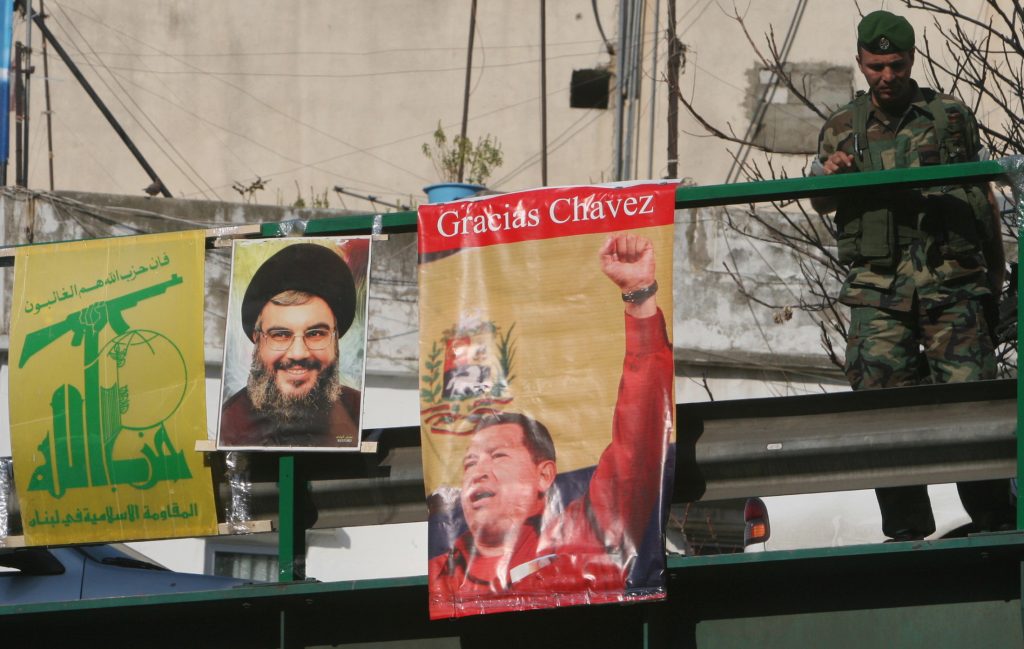
In media reports, the new Austrian federal law has been said to introduce “new penalties against the promotion of extremist groups”, in part by “ban[ning] the [display of the] symbols” of a range of groups, from religious extremists like ISIS, Al-Qaeda, Iran’s Hezbollah, the Muslim Brotherhood, and Hamas, to secular extremists, whether ultranationalists like the Turkish Grey Wolves and the Croatian Ustasha, or separatist terrorists like the Kurdistan Workers’ Party (PKK).
The authorities also gained powers to exclude people from the vicinity of an environment that contributed to their radicalisation. Companies and institutions face an obligation to submit and verify that their accounting records comply with a ban on domestic financing of extremists. Dual citizens can be stripped of their citizenship and convicted criminals can lose driving licences.
Looking at the law directly, it is clear that Austria is looking to shrink the space in which extremists can operate—by closing down financial loopholes used for money laundering and other revenue-generating activity so extremists cannot fund their activities and bribe recruits; to bring religiously-motivated crimes up to parity with other hate crimes so that there is equality in the legal punishments; and to give the state the tools, such as electronic monitoring and probation conditions, to keep dangerous individuals contained.
This latter aspect is the most vocally supported part of the bill in Austria. The state’s failure to have tracked and thwarted the ISIS operative who killed four people in Vienna in November has caused outrage in the country and is an important part of the political tide that has brought this law into force.
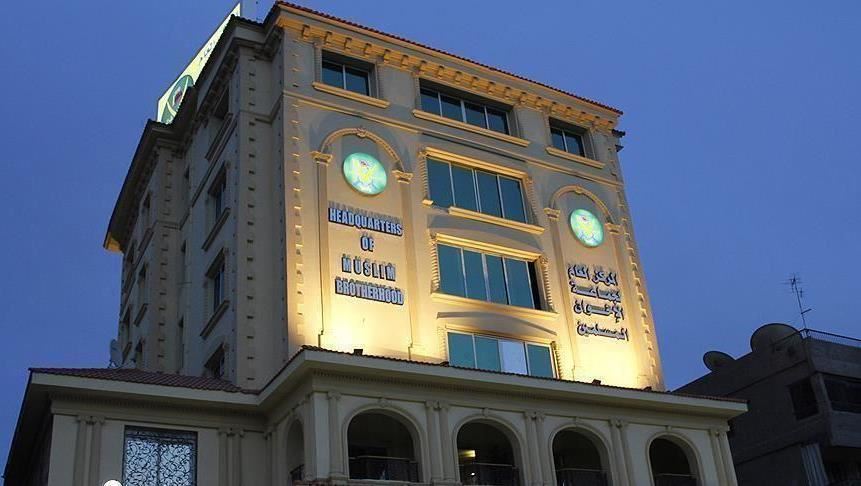
That said, the focus on financial mechanisms might prove to be the most important aspect of this law. Ideological movements need cash to function and in the case of, for example, the Muslim Brotherhood, there is an increasing understanding of how the group draws funds by abusing the charitable sector and legitimate businesses, exploiting loopholes in the global banking system, drawing “taxes” under the guise of tithes or zakat from Muslim populations in the West, and so on. If the Austrian law forces transparency, and thus termination, of these practices, it would go a long way to reducing the scale of the problem before there was any need for the other measures.
“In principle, I consider this to be a ground-breaking [legal] project that leaves the usual symbolic politics far behind”, Sigrid Herrmann-Marschall, a German expert on Islamist movements, tells EER. “The package creates the legal basis for more preventive” measures and more extensive reactive measures. Herrmann-Marschall cautions, however, that much “remains to be seen” in the implementation of this legislation, which might prove to be less efficacious in practice than it would be by the theory of the written law.
A comparative case where we have seen exactly this kind of theoretical-practical distinction is Germany. In April 2020, after a long argument, the German government finally banned Iran-backed Lebanese Hezbollah in its entirety, dispensing with the distinction the European Union still makes between the “military” and “political” departments that the organization itself attests is false. Germany is planning a similar policy against Hamas.
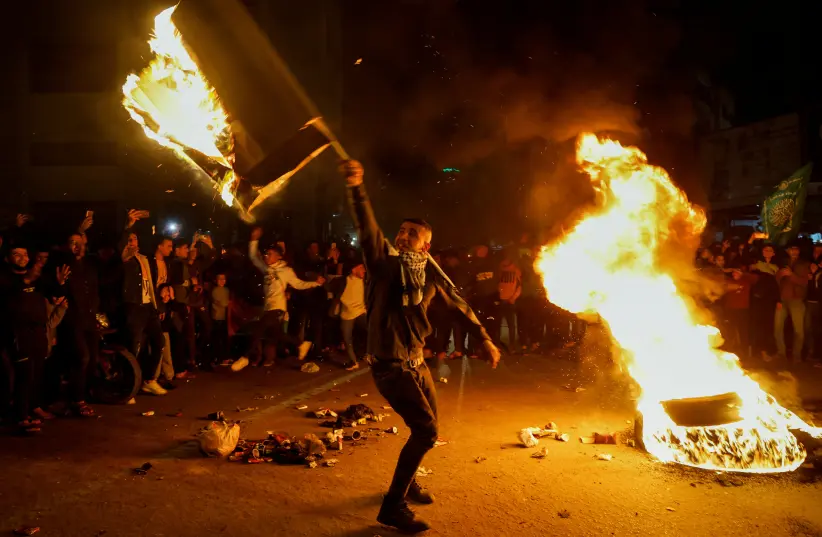
Germany was provoked to move against Hezbollah by “a multitude of attacks resulting in hundreds of deaths and injuries worldwide”, as explained by German Interior Minister Horst Seehofer. Hezbollah intervened overtly in Syria in 2013 at Iran’s behest and has been responsible for killing hundreds of people, many of them civilians. Hezbollah also engages in assassinations against opponents of Iran’s Islamic Revolution, within Lebanon and around the world. In Germany, a particular concern was Hezbollah’s involvement in Iran’s “Quds (Jerusalem) Day” and similar events, which had been linked to a rise in antisemitic violence; such events are now prohibited.
It is worth noting that while laws such as this are often denounced from abroad as divisive and even “Islamophobic”, especially by Islamist activists and the state media of countries like Turkey, the most far-Left German party, the Green Party, has joined with the liberal Free Democrats and centre-Right Christian Democrats to support this change to the law. Similar dynamics are visible in France. The scale of the problem with extremism on the Continent has made such solutions consensus measures.
Problems remain, however. One year on, the outcome of this German action is distinctly mixed: the display of Hezbollah flags and other public expressions of support for the Islamist group have been significantly suppressed, but the number of Hezbollah operatives in Germany, their influence over mosques, and the scale of their criminal activities remains unchanged because of various inconsistencies in implementation. But a start has been made.
Moreover, the law in Austria is different than that in Germany—it is more wide-ranging in its intent and more granular in its targeting of the support structures for extremism—and in Austria, too, this occurs in the shadow of an ISIS attack, creating a political environment more favourable to firm action. Nonetheless, it will take consistent effort to prevent a relapse into prior complacency as that memory fades.